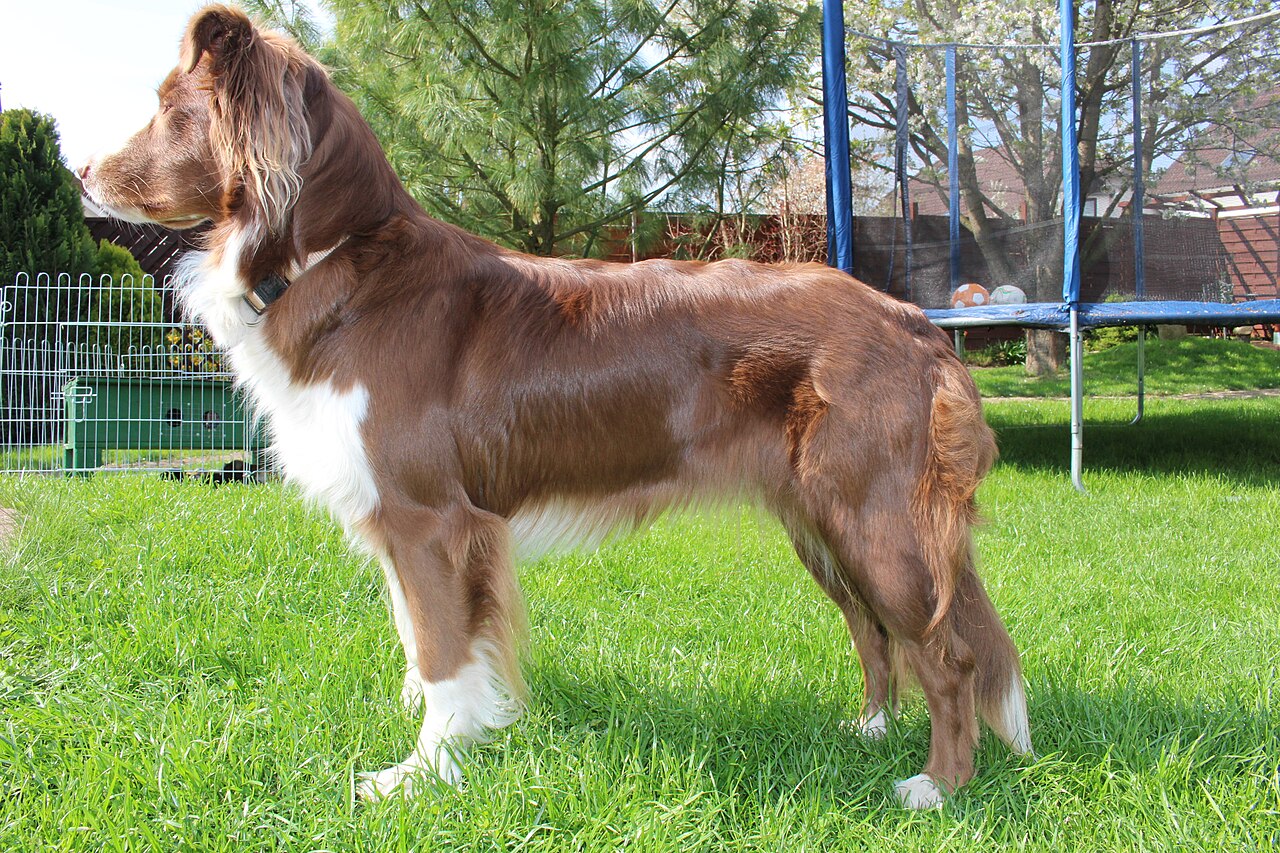
Australian Shepherd: Debunking the Breed's American Roots
When you hear the affectionate nickname "Aussie," your mind might immediately conjure images of sun-kissed beaches, iconic landmarks, or perhaps even highly competitive Aussie sports team players dominating the field. However, in the world of purebred canines, "Aussie" refers to one of the most intelligent, active, and undeniably loyal dog breeds: the Australian Shepherd. Despite a name that suggests origins Down Under, this beloved dog's roots are firmly planted in the American West, a fascinating contradiction we're here to unravel.
Often lauded for their striking appearance and unparalleled work ethic, Australian Shepherds have captivated hearts across the globe. Since their introduction in the 1800s, these dedicated dogs have transitioned from essential working partners on ranches to cherished family companions and formidable competitors in dog sports. Their journey from the dusty plains of the American Frontier to being consistently ranked among the most popular breeds by the American Kennel Club (officially recognized in 1993) is a testament to their enduring appeal and remarkable versatility.
Beyond the Name: Unearthing the Aussie's True Origin
The Australian Shepherd's name is perhaps its greatest misnomer. While "Australian" might suggest a heritage tied to the Land of Oz, the breed as we know it today was predominantly developed in the western United States. The prevailing theory traces their lineage back to European herding dogs, particularly those accompanying Basque shepherds who migrated to the American West in the 19th century. These shepherds often travelled through Australia before reaching the U.S., bringing with them their tough, agile herding dogs. American ranchers, impressed by these "little blue dogs" and their exceptional herding abilities, mistakenly associated them with Australia, thus inadvertently giving rise to the breed's enduring, yet misleading, name.
These early ancestors were critical to the development of vast ranches, assisting in managing flocks of sheep and cattle in the rugged, expansive landscapes. They needed to be resilient, intelligent, and possess an unwavering drive – qualities that have been meticulously refined over generations to produce the Australian Shepherd we adore today. Their historical role as working partners highlights their inherent desire to have a job, a trait that remains a cornerstone of their temperament.
A Canine Athlete: Why Aussies Excel in Work and Play
If you're looking for a dog with the energy and dedication of a seasoned aussies sports team member, look no further than the Australian Shepherd. These dogs are true canine athletes, built for endurance, agility, and precision. Their medium-sized, solidly built bodies are slightly longer than they are tall, providing them with the perfect frame for quick turns, powerful leaps, and sustained activity. This physical prowess, combined with their sharp minds and eager-to-please nature, makes them exceptional candidates for a wide array of dog sports and activities.
Aussies thrive when given a purpose. Their high prey drive and strong herding instinct mean they are happiest when occupied, whether that involves working livestock, engaging in intense training sessions, or embarking on long runs with their owners. They are not merely pets; they are partners in adventure. This relentless energy and focus can be a handful for novice owners, making it crucial for an experienced hand to guide and channel their natural talents. Without proper outlets, an Aussie's intelligence and energy can lead to destructive behaviors born out of boredom.
- Agility: Their athleticism and quick learning make them stars on the agility course, navigating obstacles with grace and speed.
- Flyball: Their explosive speed and retrieve drive make them excellent flyball competitors.
- Herding Trials: For those with access to livestock, herding trials allow Aussies to showcase their innate abilities in their ancestral role.
- Obedience and Rally: Their intelligence and desire to please mean they excel in obedience and rally competitions, demonstrating precise control and teamwork with their handler.
- Disc Dog: Their jumping ability and focus make them fantastic disc dog performers.
It's this blend of physical capability and mental acuity that makes the Australian Shepherd such a versatile and rewarding companion for active individuals and families. They require an owner who understands their needs and is committed to providing consistent training and plenty of mental and physical stimulation. For more in-depth guidance on managing their boundless energy and sharp intellect, explore our article: Is an Aussie for You? Managing Their High Energy and Intellect.
Living with an Aussie: Training, Temperament, and Care
Bringing an Australian Shepherd into your home is an invitation to a life filled with activity, laughter, and unwavering companionship. These dogs are celebrated not only for their beauty but also for their profound loyalty and affectionate nature. However, their intelligence and drive come with specific responsibilities for their owners.
Training and Socialization
Due to their high intelligence, Aussies are quick learners, which is a significant advantage in training. However, this also means they can pick up bad habits just as quickly as good ones. Consistent, positive reinforcement training from a young age is paramount. Early socialization is equally vital to ensure they grow into well-adjusted adults, comfortable in various environments and around different people and animals. Their strong herding instinct can sometimes lead them to try to "herd" children or other pets, so teaching appropriate boundaries is essential.
Grooming Needs
Despite their thick, beautiful coats, Australian Shepherds have relatively minimal grooming needs compared to some other long-haired breeds. They possess a two-layer coat: a weather-resistant top coat of medium-length hair that can be straight or slightly wavy, and a dense undercoat that helps them adapt to both heat and cold. Regular brushing, at least 2-3 times a week, is crucial to prevent mats and tangles, especially during shedding seasons. Full baths are only needed every few weeks or as necessary, depending on their activity levels and how dirty they get.
Tail Tales: Natural Bobs and Historical Practices
An interesting physical characteristic of the breed is their tail. Approximately one in five Aussies are born with a naturally bobbed tail, meaning it's shorter at birth. Historically, many others had their tails docked in puppyhood, under the belief that a shorter tail would prevent injuries while working in the fields. However, modern veterinary science, supported by organizations like the American Veterinary Medical Association, no longer recommends tail docking. It is now considered a purely cosmetic procedure that can potentially cause more harm than good, affecting the dog's balance and communication.
The Dazzling Diversity of the Aussie Coat and Eyes
One of the most striking features of the Australian Shepherd is their incredible variety of coat colors and patterns, alongside their often mesmerizing eye colors. The United States Australian Shepherd Association recognizes four major coat color categories:
- Black: Solid black with possible white markings and/or copper points.
- Red: Shades of red (sometimes called liver) with possible white markings and/or copper points. These Aussies typically have red noses, lips, and eye rims.
- Blue Merle: A captivating pattern where black spots appear against a gray base, creating a mottled or speckled effect that darkens with age. Blue merle Aussies usually have black noses, lips, and eye rims.
- Red Merle: Similar to blue merle, but with shades of red or liver appearing as speckled patches against a lighter base, which also darkens with age. Red merle Aussies typically have red noses, lips, and eye rims.
The "merle" gene is responsible for the unique speckled appearance and can also influence eye color. Beyond their cunning ability to herd almost anything with legs (including enthusiastic children!), their eyes are perhaps the most notable characteristic. Eye colors can vary greatly based on genetics, often displaying shades of brown, amber, or blue. It's not uncommon for an Aussie to have bi-colored eyes (heterochromia), where each eye is a different color, or "marbled" eyes, with swirls of different colors within a single iris. For a deeper dive into the stunning array of Australian Shepherd colors and patterns, including the fascinating genetics behind merle coats and unique eye hues, check out our companion piece: Aussie Dog Breed Colors: Merle Patterns and Unique Eye Hues.
Conclusion
The Australian Shepherd, often affectionately known as the "Aussie," is a breed steeped in American history, despite its misleading name. From their origins as indispensable partners on the American Frontier to their current status as beloved family members and formidable competitors, Aussies continually impress with their intelligence, athleticism, and unwavering loyalty. While the term "Aussie" might evoke images of dynamic aussies sports team members, in the canine world, it unequivocally points to a dog breed that is a true champion in its own right—a canine athlete, a devoted companion, and a striking beauty. For those prepared to meet their needs for activity, training, and companionship, an Australian Shepherd offers a rewarding and enriching experience, proving to be one of the most versatile and beloved dogs on the planet.